
What's Hot

    BEX Updates Construction Sector Projections in Annual Midyear Update

    June 26, 2026

    First Industrial Project Planned at Halo Vista

    June 26, 2026

    Transportation Board Approves 5-Year Facilities Construction Program

    June 26, 2026
    Facebook Twitter Instagram
    AZBEX
    NEWS TICKER
    • [June 26, 2026] - BEX Updates Construction Sector Projections in Annual Midyear Update
    • [June 26, 2026] - First Industrial Project Planned at Halo Vista
    • [June 26, 2026] - Transportation Board Approves 5-Year Facilities Construction Program
    • [June 26, 2026] - Pima County Allocates Gap Funding for Affordable Developments
    • [June 26, 2026] - Arizona Projects 06-26-26
    • [June 23, 2026] - Ariz. Construction Gained 2,700 in May, Cutting YoY Losses to 900
    • [June 23, 2026] - Yuma County Seeks Grant for Railroad Crossing Project
    • [June 23, 2026] - Latest Phoenix Office Report Shows Mixed Results vs. U.S.
    LinkedIn Facebook
    • Home
    • News
      1. View Latest
      2. ✎ Planning & Development
      3. 📰 Local News
      4. 🔎︎ Classifieds
      5. 🕵 Editorial Analysis
      6. 💰 Budgets & Funding
      7. 🏢 Commercial Real Estate
      8. 👔 People on the Move
      9. 🌵 Arizona Projects
      10. 🏛️ Legislation & Regulations
      11. 📈 Trends

      First Industrial Project Planned at Halo Vista

      June 26, 2026

      Pima County Allocates Gap Funding for Affordable Developments

      June 26, 2026

      Yuma County Seeks Grant for Railroad Crossing Project

      June 23, 2026

      59KSF Cold Storage Facility Planned in Gilbert

      June 19, 2026

      BEX Updates Construction Sector Projections in Annual Midyear Update

      June 26, 2026

      Transportation Board Approves 5-Year Facilities Construction Program

      June 26, 2026

      Ariz. Construction Gained 2,700 in May, Cutting YoY Losses to 900

      June 23, 2026

      Flagstaff Advances Plans to Buy Downtown Development Site

      June 10, 2026

      Affordability Reform Legislation May Gut BTR Sector

      April 28, 2026

      Developers Must Work Differently to Counter Intensifying Project Opposition

      January 6, 2026

      Scottsdale Hospitals War May Heat Up with New Banner Request

      July 29, 2025

      Glendale Voters to Determine VAI Resort’s Fate

      May 16, 2025

      Arizona Budget Deal Halts Data Center Incentives for 3 Years

      June 16, 2026

      Gilbert Approves $1.7B 10-Year CIP

      May 26, 2026

      Mesa Proposing $285M GO Bond for Safety and Transportation Improvements

      May 23, 2026

      Lake Havasu City Considering Major Expenditures for Water Projects

      May 19, 2026

      Commercial Real Estate 06-23-26

      June 23, 2026

      Commercial Real Estate 06-16-26

      June 16, 2026

      Commercial Real Estate 06-09-26

      June 9, 2026

      Commercial Real Estate 06-02-26

      June 2, 2026

      Industry Professionals 06-23-26

      June 23, 2026

      Industry Professionals 06-16-26

      June 16, 2026

      Industry Professionals 06-09-26

      June 9, 2026

      Industry Professionals 06-02-26

      June 2, 2026

      Arizona Projects 06-26-26

      June 26, 2026

      Arizona Projects 06-19-26

      June 19, 2026

      Arizona Projects 06-12-26

      June 12, 2026

      Arizona Projects 06-05-26

      June 5, 2026

      New Law Enables Housing Infrastructure Financing Option

      June 16, 2026

      Judge Sides with Developers Against ADWR

      June 12, 2026

      Legislation Would Block Supervisors from Zoning Out Modular Nuclear

      June 12, 2026

      Goldwater Sues Phoenix Over Project and Land Sale Alleging Gift Clause Violation

      June 9, 2026

      BEX Updates Construction Sector Projections in Annual Midyear Update

      June 26, 2026

      Ariz. Construction Gained 2,700 in May, Cutting YoY Losses to 900

      June 23, 2026

      Latest Phoenix Office Report Shows Mixed Results vs. U.S.

      June 23, 2026

      LGE Q2 Delivery Report Shows Construction Gaining Momentum

      June 19, 2026

      BEX Updates Construction Sector Projections in Annual Midyear Update

      June 26, 2026

      First Industrial Project Planned at Halo Vista

      June 26, 2026

      Transportation Board Approves 5-Year Facilities Construction Program

      June 26, 2026

      Pima County Allocates Gap Funding for Affordable Developments

      June 26, 2026
    • AZBEX
      • Subscribe
      • Solicitations
      • Classifieds
      • Advertising
    • DATABEX
      • DATABEX Log-In
      • Webinars
      • Monthly Snapshot
    • Events
      • 2026 Mid-Year Update
    • About Us
      • Meet the Company
      • Meet the Sales Team
      • Meet the Editorial Team
      • Meet the BEXperts
    • CIP Special Report
    • NVBEX
    AZBEX
    Home»Trends»BEX Leading Market Series Tackles Build-to-Rent
    Trends

    BEX Leading Market Series Tackles Build-to-Rent

    BEX StaffBy BEX StaffApril 8, 2022No Comments6 Mins Read
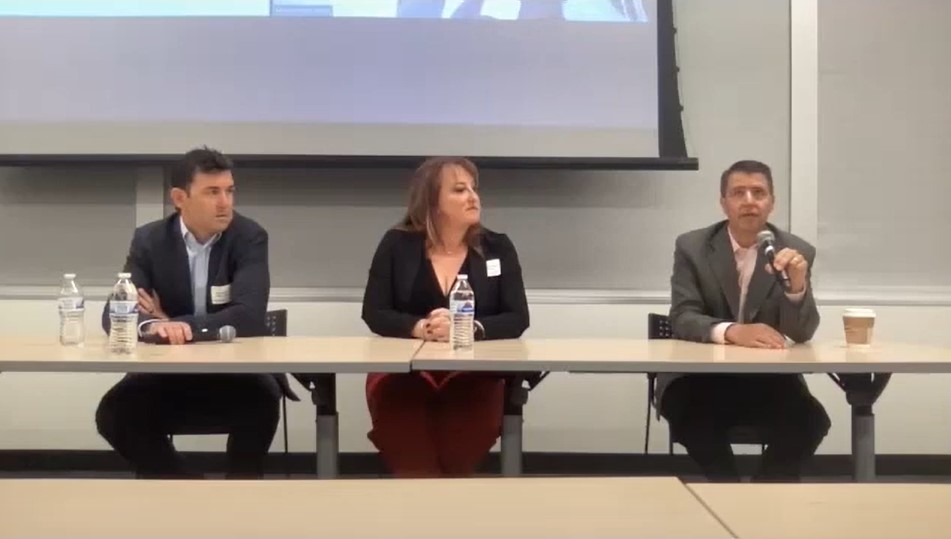
    Panelists Bret Rinehart, Land Advisors; Shelby Duplessis, Empire Group, and Jim Belfiore, Keystone Homes. Credit: BEX Companies, via YouTube
    Share
    Facebook LinkedIn Email

    More than 60 industry professionals attended Wednesday’s BEX Companies Leading Market Series panel discussion on the Build-to-Rent market.

    Lance Keller, founder and managing member of Lifestyle Homes, served as moderator. The three-person panel consisted of:

    • Jim Belfiore, chief strategist at Keystone Homes;
    • Shelby Duplessis, president of land development at Empire Group, and
    • Bret Rinehart, residential lot and land advisor at Land Advisors.

    Following a brief introduction by BEX Companies Founder and President Rebekah Morris, Keller took the panel into the questions and answers straightaway.

    The first question was one that has plagued the industry since Build-to-Rent first started becoming a market factor: How do you define it?

    While answers ranged from “horizontal apartments” and a blending of single- and multifamily, Belfiore stated he generally dislikes the term and wants a better one for a market sector that usually consists of luxury living units with densities averaging from 10.5-16 units per acre.

    Reinhart noted that not only does every developer have slightly different definitions, but that the type of use is also evolving to include not only the traditional one-year tenant lease but to also add in shorter term leasing options that treat units as more an extended-stay facility rather than a primary residence.

    Throughout the discussion, Keller and the panelists returned to the volume and intensity of the market, and the protracted timelines from concept to delivery, as key challenges they face in performing their duties. 

    Early on, Duplessis praised her team and stressed that her job duties have to adapt daily. “Our consultants are so busy. We try to help them find balance and be able to perform, as municipalities are taking so much longer in their performance as well. At the end, we’re asked every day, ‘How much longer before we get the permit?’ and you don’t know.” She noted one project for which her team had submitted a pre-application in March that will not be returned until mid-May as just a single timeline example.

    She stressed that, despite her and her team’s best efforts to be proactive, the pace and scope of the market force reactive responses more often than she would like.

    Reinhart concurred with both the daily changing nature of the current market and noted that project timelines are often much longer than many people think. 

    Later, he explained, “These are not decisions that get made and then they get done 30 days later. These are years in the process. Most of our projects are in escrow for at least 12 months, and we’re probably working on them for anywhere from six to 12 months before that.” He added that, given the scale of the project, deal timelines can run as far out as five years.

    Phoenix as the World Capital of a Rapidly Expanding Market

    Keller pointed out that Phoenix is the world capital of the Build-to-Rent market, having been a launch point for the space since its functional origins around 2010. 

    Reinhart said an initial point of appeal was that non-local investors and capital suppliers had the safety option of being able to sell units off as single-family properties if their dalliance in building rental-specific communities did not pay off.

    He concluded his thoughts on the evolution by noting that the market now covers every aspect from local “mom & pop” developers all the way to global institutional private equity firms that are now looking to bring as much of the development process under their control as possible.

    Duplessis expanded on this trend by noting that now “everyone is trying to get into the space, and it’s a challenge for us because of that.” She said she has found new entrants’ lack of familiarity with the market space leads to complications. “No offense to them…, but they’re coming in like a bull in a china shop to the cities, and that’s scaring the cities more. It’s making our space difficult for trying to plan out the right site at the right location with all the right amenities built right.”

    Belfiore agreed, saying that building projects of middle density is exceptionally complicated, and stressed the need for dependable partnerships to get projects done. “It’s important to recognize our partners… This is not an apartment product. It’s developed entirely different. It’s entirely different from building a for-sale community. This is very highly compacted, and it is so difficult to fit everything in there.”

    Costs, Timelines and Other Complications

    Adding to the discussion on complications, Keller agreed with the difficulties in working with firms looking to make a quick entry into the BTR space. He stressed the importance of both correct underwriting and financing, as well as correct and comprehensive engineering. “The amount of pressure in this industry will continue to bubble to the surface, and if we don’t really focus on how that’s going to get handled, it will seek its own level and we might not like it.”

    Reinhart also lamented the unrealistic nature of some parties’ timeline expectations, particularly sellers who do not understand what’s required. “They think you can rezone something in four months. They think you get your site plan done 30 days after that and the deal should close in six months. We’re telling them it’s probably more like 15 months.”

    Keller’s question to the panelists asking them to name their Top Three challenges drew chuckles both from the panel and the attendees. A quick ping-pong of responses ensued, including: Time, labor, consultant availability, municipal planning staff response, entitlements, land availability, and prices at every point in the process from land purchases down to materials. 

    Reinhart noted both the rapidly rising costs of land and the increasing degree of difficulty in some cities to rezone for projects of any meaningful density.

    Keller said one particular challenge he encounters is clients who do not or have not pre-developed the project with their general contractor. He stressed that all parties need to fully engage and collaborate in the process as early on as possible.

    BTR and the State of the Economy

    Nearly all the panelists expressed concern about escalation in the BTR market given the current growth and the declining state of the overall economy.

    Reinhart said more people will rent as interest rates rise, but he could not guess where the upper limit would be.

    Duplessis said she is confident in the market because renting at that level is a choice, and there is flexibility as a result.

    Belfiore was less optimistic, pointing out consumers are cutting back expenditures on products at all levels, from detergent on up. “I built a career on risk management,” he said. “People at some point in the near future will cut back.”

    Later, in his concluding remarks, Belfiore’s tone returned to a greater degree of optimism. He expressed his appreciation for the moderator, his fellow panelists and their firms and said he wished he had them in every market. “The reality is, we are a real estate-rich community. It’s a small club that is growing dramatically. We are very lucky here. This infrastructure does not exist in other markets.”
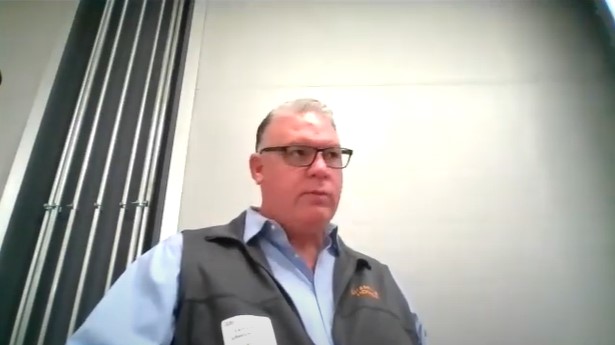
    Moderator Lance Keller, Lifestyle Homes. Credit: BEX Companies, via YouTube
    BEX BEX Companies BEX Companies Leading Market Series Bret Rinehart build-to-rent cost increases density Empire Group Jim Belfiore Keystone Homes Lance Keller Land Advisors land costs local opposition materials costs multifamily NIMBY Private Rebekah Morris Shelby Duplessis
    Share. Facebook LinkedIn Reddit Email

    Related Posts

    BEX Updates Construction Sector Projections in Annual Midyear Update

    June 26, 2026

    First Industrial Project Planned at Halo Vista

    June 26, 2026

    Pima County Allocates Gap Funding for Affordable Developments

    June 26, 2026

    Leave A Reply Cancel Reply

    Our Picks

    BEX Updates Construction Sector Projections in Annual Midyear Update

    June 26, 2026

    First Industrial Project Planned at Halo Vista

    June 26, 2026

    Transportation Board Approves 5-Year Facilities Construction Program

    June 26, 2026

    Pima County Allocates Gap Funding for Affordable Developments

    June 26, 2026
    Stay In Touch
    • Facebook
    • Twitter
    • LinkedIn
    • YouTube
    Don't Miss
    Local News

    BEX Updates Construction Sector Projections in Annual Midyear Update

    June 26, 20260

    Growth in the Arizona Construction industry is broad-based, but larger players are having an easier…

    First Industrial Project Planned at Halo Vista

    June 26, 2026

    Transportation Board Approves 5-Year Facilities Construction Program

    June 26, 2026

    Pima County Allocates Gap Funding for Affordable Developments

    June 26, 2026

    Through AZBEX (Arizona Builder's Exchange), NVBEX, DATABEX and BEX Events, BEX serves architecture, engineering and construction firms in Arizona and Nevada, as well as all the ancillary product and service categories that market to them. These include manufacturers' representatives, public agencies, private real estate organizations, specialty subcontractors and service providers related to our industry.

    Our Picks

    BEX Updates Construction Sector Projections in Annual Midyear Update

    June 26, 2026

    First Industrial Project Planned at Halo Vista

    June 26, 2026

    Transportation Board Approves 5-Year Facilities Construction Program

    June 26, 2026
    Contact Us

    Phone: 480-709-4190
    Address: P.O. Box 12196 Tempe, AZ 85284
    Email: sales@azbex.com

    Type above and press Enter to search. Press Esc to cancel.