
By Catherine Reagor for The Arizona Republic
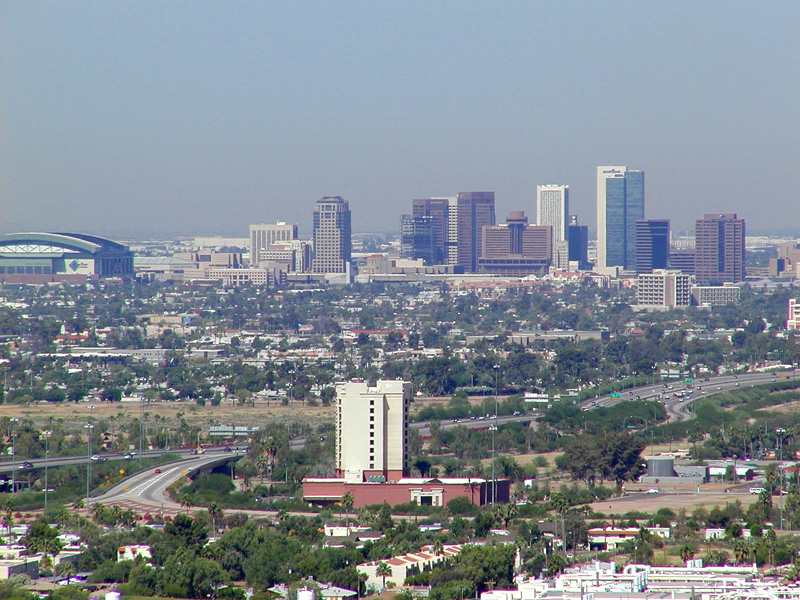
Metro Phoenix is expected to grow by 1 million people during the next decade.
That will be like adding a city the size of San Jose, CA or Austin, TX, to the Valley.
The billion-dollar question is where all those new residents will live.
Most of the available land is on the edge of the West Valley and deep into Pinal County.
About 5 million people already call metro Phoenix home, and the region already faces infrastructure and housing affordability issues.
Mark Stapp, director of the Master of Real Estate Development program at Arizona State University, acknowledges the challenges.
“There are opportunities with our expected growth, but there are also issues that need to be addressed now,” Stapp said at an ASU event called “Where will we put another 1 million people?”
Top Arizona developers and planners attended the meeting, which focused on how to accommodate the Valley’s next growth spurt.
Valley Growth Shift
About 35 percent of the Valley’s current population lives in Phoenix, 34 percent live in the East Valley, 22 percent in the West Valley and 10 percent in Pinal County, according to the Maricopa Association of Governments.
In 25 years, metro Phoenix is expected to grow to 7 million people.
The growth is expected to shift with the population spread out like this: 30 percent living in Phoenix, 27 percent in the East Valley, 28 percent in the West Valley and 15 percent in Pinal.
Roads and Water
But that growth cannot happen without the roads, water, sewer, electricity, jobs and shopping to support and serve it.
A massive investment in infrastructure is necessary for the thousands of new homes, retail centers and job hubs that would accommodate another million people.
More Affordable Rooftops
Metro Phoenix’s relatively affordable housing prices have long driven the region’s growth. But rapidly rising home prices and rents are outpacing income gains, making the Valley much less affordable.
To keep pace with growth, home builders need to construct more houses than they are now with prices that new residents can afford. About 23,000 new homes are expected to go up Valley wide this year.
Zoning changes to allow greater density in new communities could help, most of the group agreed. But that would be up to Valley cities.
Read more at The Arizona Republic.

NEWS TICKER
- [August 14, 2026] - BEX Event Sheds Light on Arizona Sports-Related Development
- [August 14, 2026] - Common Bond Announces Sprouts-Anchored Estrella Retail Center
- [August 14, 2026] - LaPour Partners Announces Adaptive Reuse JW Marriott Arizona Center Project
- [August 14, 2026] - Tempe Coalition for Affordable Housing Issues Co-Developer, GC RFQs
- [August 14, 2026] - Arizona Projects 08-14-26
- [August 12, 2026] - Tighter Data Center Restrictions Advancing in Gilbert
- [August 11, 2026] - IT Asset Management Company Proposing Mesa Warehouse/Office
- [August 11, 2026] - Tucson Council Approves Major Data Center Restrictions