What's Hot

    Industrial Boom Largely Skipped Arizona’s Secondary Markets

    June 12, 2026

    Rising Costs Push Budget Increase for Mohave County Morgue

    June 12, 2026

    Judge Sides with Developers Against ADWR

    June 12, 2026
    Facebook Twitter Instagram
    AZBEX
    NEWS TICKER
    • [June 12, 2026] - Industrial Boom Largely Skipped Arizona’s Secondary Markets
    • [June 12, 2026] - Rising Costs Push Budget Increase for Mohave County Morgue
    • [June 12, 2026] - Judge Sides with Developers Against ADWR
    • [June 12, 2026] - Legislation Would Block Supervisors from Zoning Out Modular Nuclear
    • [June 12, 2026] - Arizona Projects 06-12-26
    • [June 10, 2026] - Flagstaff Advances Plans to Buy Downtown Development Site
    • [June 9, 2026] - Phoenix Construction Costs Outpaced National Average in Q1
    • [June 9, 2026] - Ballroom Improvements Coming Next in PV DoubleTree Renovation
    LinkedIn Facebook
    • Home
    • News
      1. View Latest
      2. ✎ Planning & Development
      3. 📰 Local News
      4. 🔎︎ Classifieds
      5. 🕵 Editorial Analysis
      6. 💰 Budgets & Funding
      7. 🏢 Commercial Real Estate
      8. 👔 People on the Move
      9. 🌵 Arizona Projects
      10. 🏛️ Legislation & Regulations
      11. 📈 Trends

      Rising Costs Push Budget Increase for Mohave County Morgue

      June 12, 2026

      Ballroom Improvements Coming Next in PV DoubleTree Renovation

      June 9, 2026

      ADOT Wants Central Phoenix Freeway Project Input

      June 5, 2026

      Developers Withdraw Shalimar Plan After Extensive Opposition

      June 5, 2026

      Flagstaff Advances Plans to Buy Downtown Development Site

      June 10, 2026

      Deadline Set for DBE Reevaluation

      June 5, 2026

      Dirty Data Does a Disservice to AI  

      May 29, 2026

      Ariz. Construction Down 800 Jobs in April, 3,100 Year-over-Year

      May 26, 2026

      Affordability Reform Legislation May Gut BTR Sector

      April 28, 2026

      Developers Must Work Differently to Counter Intensifying Project Opposition

      January 6, 2026

      Scottsdale Hospitals War May Heat Up with New Banner Request

      July 29, 2025

      Glendale Voters to Determine VAI Resort’s Fate

      May 16, 2025

      Gilbert Approves $1.7B 10-Year CIP

      May 26, 2026

      Mesa Proposing $285M GO Bond for Safety and Transportation Improvements

      May 23, 2026

      Lake Havasu City Considering Major Expenditures for Water Projects

      May 19, 2026

      Chandler Budget Plan Includes $474M in New Capital Projects

      May 12, 2026

      Commercial Real Estate 06-09-26

      June 9, 2026

      Commercial Real Estate 06-02-26

      June 2, 2026

      Commercial Real Estate 05-26-26

      May 26, 2026

      Commercial Real Estate 05-19-26

      May 19, 2026

      Industry Professionals 06-09-26

      June 9, 2026

      Industry Professionals 06-02-26

      June 2, 2026

      Industry Professionals 05-26-26

      May 26, 2026

      Industry Professionals 05-19-26

      May 19, 2026

      Arizona Projects 06-12-26

      June 12, 2026

      Arizona Projects 06-05-26

      June 5, 2026

      Arizona Projects 05-29-26

      May 29, 2026

      Arizona Projects 05-22-26

      May 23, 2026

      Judge Sides with Developers Against ADWR

      June 12, 2026

      Legislation Would Block Supervisors from Zoning Out Modular Nuclear

      June 12, 2026

      Goldwater Sues Phoenix Over Project and Land Sale Alleging Gift Clause Violation

      June 9, 2026

      Judge Rules for Axon in Latest NIMBY Decision

      May 19, 2026

      Industrial Boom Largely Skipped Arizona’s Secondary Markets

      June 12, 2026

      Phoenix Construction Costs Outpaced National Average in Q1

      June 9, 2026

      U.S. Construction Job Openings Up 25,000 in April

      June 5, 2026

      Multifamily ‘Rebalancing’ Nationally; Phoenix Pipeline Remains Heavy

      June 2, 2026

      Industrial Boom Largely Skipped Arizona’s Secondary Markets

      June 12, 2026

      Rising Costs Push Budget Increase for Mohave County Morgue

      June 12, 2026

      Judge Sides with Developers Against ADWR

      June 12, 2026

      Legislation Would Block Supervisors from Zoning Out Modular Nuclear

      June 12, 2026
    • AZBEX
      • Subscribe
      • Solicitations
      • Classifieds
      • Advertising
    • DATABEX
      • DATABEX Log-In
      • Webinars
      • Monthly Snapshot
    • Events
      • 2026 Mid-Year Update
    • About Us
      • Meet the Company
      • Meet the Sales Team
      • Meet the Editorial Team
      • Meet the BEXperts
    • CIP Special Report
    • NVBEX
    AZBEX
    Home»Local News»An Expert’s Take: What’s New, What’s Not with Zoning and Entitlements
    Local News

    An Expert’s Take: What’s New, What’s Not with Zoning and Entitlements

    BEX StaffBy BEX StaffMarch 21, 2023No Comments6 Mins Read
    Share
    Facebook Twitter LinkedIn Pinterest Email

    By Roland Murphy for AZBEX

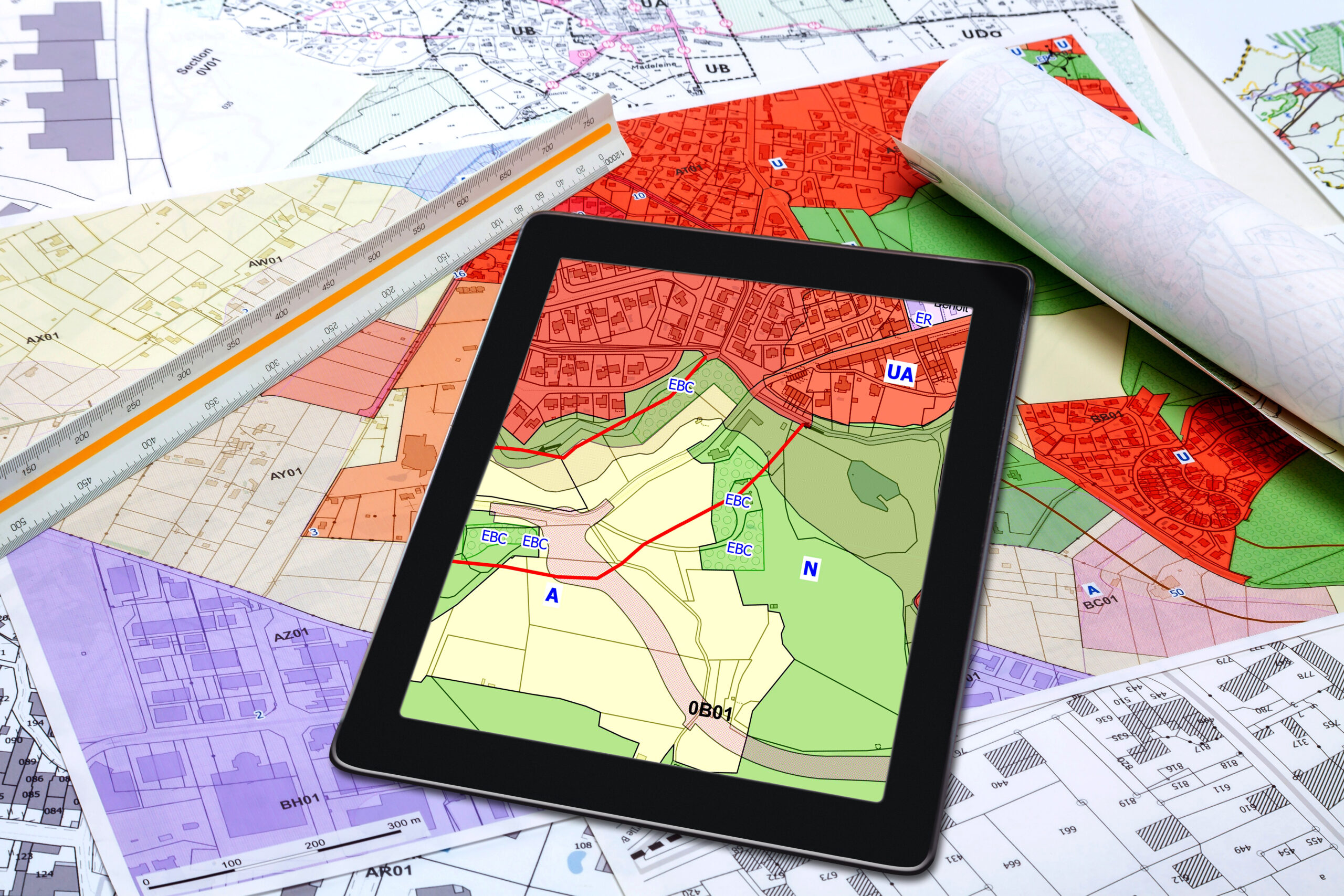
    A little more than a year ago, I talked with Withey Morris Partner Jason Morris to get his take on the state of zoning and entitlement issues around Arizona. (AZBEX, Feb. 22, 2022)

    Since he was forthcoming, effuse and exceptionally quotable in his responses—and since the intervening year has been chock full of variations on the same themes—I decided to reach out again to get Morris’ take on what’s changed, what hasn’t and what the future may hold.

    The hot topic last year was HB 2674, a bill in the Arizona House that would have stripped municipalities of much of their power to determine project approvals and zoning. The bill came as a shock to cities and towns and created an uproar of protest before being withdrawn by its sponsors, Republican State Representative Steve Kaiser and Democratic State Representative César Chávez. (AZBEX, Feb. 8, 2022)

    In the year since, Kaiser has been elected to the Arizona Senate. He introduced a somewhat milder but still inflammatory bill—Senate Bill 1117—in the current legislative session. That bill generated similar responses from municipalities and the League of Arizona Cities and Towns before being voted down in the Senate by a vote of 9-20.

    Despite the defeat, Kaiser is continuing efforts to get the bill’s less controversial measures put into law. Some of those include requiring cities to allow auxiliary dwelling units (backyard casitas) and duplexes and triplexes, as well as limiting design reviews and public comment periods.

    Given the timeliness of the issue and the nearly one-year anniversary of our last conversation on the issue, it seemed a perfect place to pick the conversation back up.

    The Need for Reform is Real

    Talking about the recent vote on SB 1117, Morris called its defeat “a net positive,” but he cautioned, as he did a year ago, that the matter was far from finished. “At the end of the day, the state controls our zoning,” he said. “The cities don’t. So, if cities believe the status quo is acceptable, they’re going to be in a world of hurt in future legislative sessions. I anticipate that we will ultimately see some significant changes. We have to because the status quo is unacceptable in terms of land use.”

    The status quo to which Morris referred is cities’ refusal to adjust outdated zoning for new development, particularly for multifamily. It was that complicated patchwork of zoning regulations around the state, many of which have not been updated in decades, that led to Kaiser’s legislative proposals.

    I reminded Morris that last year we had referred to state actions as parents taking the kids’ metaphorical keys away if they refused to behave. “That’s well stated, and—not surprisingly—children being children, they did not show any restraint or make any significant changes. It’s almost as if they thought knocking the matter back for a year meant doing away with it forever. Then they were somehow surprised when the matter dared come back up because the issue was still not addressed. It’s mind-boggling.”

    As one of the larger and better-known land use law firms in the state, Withey Morris regularly represents developments that encounter significant opposition to their requests for rezoning and plan approvals, particularly from resident groups and their supporters in local government who take a reflexive Not In My Back Yard view of change.

    “I’m tired of this,” he said. “There’s such a disconnect between the lowest levels of entitlement process—whether it’s staff or a voluntary board that’s looking at entitlements or whether it’s a homeowners’ association acting to protect their piece of the globe—and not looking at the larger picture impact of 100 like-minded groups all saying, ‘Not in my back yard.’ The end result is somebody is going to take your ball away from you and tell you, ‘No, it’s not your game and you’ve proven yourself incapable of being in charge of this.’”

    Morris continued, “By the way, I’m not advocating for this to happen. We have an opportunity, both in the land use perspective and in terms of water, to make significant changes to ensure a positive future, but if we continue to keep on doing what we’ve been doing and pretend that those things don’t exist, then we’re going to find ourselves behind the eight ball.”

    Consistency Across Municipalities

    Another topic we discussed as a step in the right direction last year, and one that supporters of state action could take some degree of comfort from feeling that they had taken action in the right direction, was the possibility of establishing standards at the state level to provide universal definitions for land use. Under such actions, terms like low-, medium- and high-density would have consistent definitions across municipalities. A medium-density project in Phoenix would have the same criteria as one in Scottsdale or Bullhead City.

    Another, related item would be requiring cities with populations larger than a set minimum to provide areas for development and land uses for each density and development type, removing some cities’ policies of mandating project densities insufficient to meet local and regional needs.

    “That’s spot on,” Morris said. “Having some sort of universal definition so that people are comparing apples to apples can only help the debate. I would go a step further and say unless there is going to be significant movement on the part of the individual cities and towns, then the state may be well within its rights to create some zoning parameters for the benefit of the citizens of the state. The alternative is to just see how things go, and I’m not optimistic about that.”

    We also discussed common issues encountered in project opposition and the inherent irrationality associated with some of them. Two of the most frequently encountered arguments raised by NIMBY forces and their supporters are projects they feel are too dense or too tall.

    In an age that is moving toward a greater social impetus for sustainability, these concerns are rooted in sentiment, not logic. Density makes the most efficient use of both new and existing infrastructure, and Morris had a great deal to say about height.

    “Limiting height is the least sustainable approach to development in the universe. Every time you take a floor off a building, all you’ve done is make it less energy efficient, less economical and far less affordable. You have, by proxy, endorsed sprawl.”

    Just as we had a year ago, we wrapped up our conversation with me asking Morris where he wanted to see things a year from now. Despite his frustration with the slow pace of progress, he kept an optimistic tone in his response.

    “A year from now, I am hoping that all of the cities have had and, more importantly, have taken an opportunity to review their building and development codes to see where they can permit additional efficiencies without taking away from local control. The alternative is, if they don’t, they may not have that opportunity in two years.”

    entitlement HB 2674 Jason Morris Land Use League of Arizona Cities and Towns legal issues legislation NIMBY Not In My Back Yard Senate Bill 1117 trends Withey Morris zoning
    Share. Facebook Twitter Pinterest LinkedIn WhatsApp Reddit Tumblr Email

    Related Posts

    Industrial Boom Largely Skipped Arizona’s Secondary Markets

    June 12, 2026

    Judge Sides with Developers Against ADWR

    June 12, 2026

    Legislation Would Block Supervisors from Zoning Out Modular Nuclear

    June 12, 2026

    Leave A Reply Cancel Reply

    Our Picks

    Industrial Boom Largely Skipped Arizona’s Secondary Markets

    June 12, 2026

    Rising Costs Push Budget Increase for Mohave County Morgue

    June 12, 2026

    Judge Sides with Developers Against ADWR

    June 12, 2026

    Legislation Would Block Supervisors from Zoning Out Modular Nuclear

    June 12, 2026
    Stay In Touch
    • Facebook
    • Twitter
    • LinkedIn
    • YouTube
    Don't Miss
    BEX

    Industrial Boom Largely Skipped Arizona’s Secondary Markets

    June 12, 20260

    With the BEX 2026 Mid-Year Update event coming up in a couple of weeks, everyone…

    Rising Costs Push Budget Increase for Mohave County Morgue

    June 12, 2026

    Judge Sides with Developers Against ADWR

    June 12, 2026

    Legislation Would Block Supervisors from Zoning Out Modular Nuclear

    June 12, 2026

    Through AZBEX (Arizona Builder's Exchange), NVBEX, DATABEX and BEX Events, BEX serves architecture, engineering and construction firms in Arizona and Nevada, as well as all the ancillary product and service categories that market to them. These include manufacturers' representatives, public agencies, private real estate organizations, specialty subcontractors and service providers related to our industry.

    Our Picks

    Industrial Boom Largely Skipped Arizona’s Secondary Markets

    June 12, 2026

    Rising Costs Push Budget Increase for Mohave County Morgue

    June 12, 2026

    Judge Sides with Developers Against ADWR

    June 12, 2026
    Contact Us

    Phone: 480-709-4190
    Address: P.O. Box 12196 Tempe, AZ 85284
    Email: sales@azbex.com

    Type above and press Enter to search. Press Esc to cancel.